
 Moulay Abdellah, August 9, 2026
- News
Moussem Moulay Abdellah Amghar: a Sunday program blending spirituality, culture, and equestrian traditions.
On Sunday, August 9, the Moulay Abdellah Amghar Moussem featured a packed schedule centered on religious, scholarly, cultural, and heritage-related themes, building upon the activities that define this iconic event in the El Jadida province. The program also included the distribution of the 17th issue of the publication "Wamadat Diniya"—produced by the Scientific Council—to Moussem visitors and to Moroccans living abroad attending the event. Furthermore, religious consultations and guidance were provided to visitors and Moroccans living abroad throughout the Moussem, under the supervision of the Scientific Council’s president and members, and with the participation of several local *ulema* (religious scholars). Special attention was paid to women, children, and young people through recreational activities and competitions organized by the unit dedicated to women’s and family affairs. Facilitated by male and female preachers, these activities aimed to foster awareness, dialogue, and the transmission of values within families and among younger generations. The cultural dimension also played a significant role in the event, featuring a series of artistic performances by Ibrahim El Jadidi, Safaa El Maâroufi, and Adel El Madkouri, which enriched the Moussem’s atmosphere and contributed to the diversity of its cultural offerings. The program finally featured a highlight dedicated to equestrian displays and falconry, scheduled from 4:00 p.m. to 9:00 p.m. These demonstrations—among the most spectacular hallmarks of the Moussem—offered the public a chance to appreciate the riders' skill and the rich traditions of falconry, presented in a manner faithful to the event's cultural heritage. Through this programming, the Moussem Moulay Abdellah Amghar fostered a dialogue between religious instruction, the transmission of knowledge, cultural activities, and the preservation of equestrian heritage. In doing so, it reinforced its spiritual, cultural, and popular dimensions, as well as its role in promoting traditions that form a vital part of Morocco's collective memory. The day’s program began with a religious talk for women, held prior to the Al-Asr prayer and led by Ms. Hassania Addad, a member of the Scientific Council. This was followed by a scholarly session dedicated to the theme of "Prophetic health and its behavioral manifestations," featuring Dr. Abdeladim Moujib, a member of the Scientific Council, and Abdelssalam El Haddawi, an imam-advisor. After the Al-Maghrib prayer, the audience was invited to a session focused on spiritual listening and madih (religious praise songs), exploring the role these practices play in purifying the soul and deepening spirituality.
On Sunday, August 9, the Moulay Abdellah Amghar Moussem featured a packed schedule centered on religious, scholarly, cultural, and heritage-related themes, building upon the activities that define this iconic event in the El Jadida province.
The program also included the distribution of the 17th issue of the publication "Wamadat Diniya"—produced by the Scientific Council—to Moussem visitors and to Moroccans living abroad attending the event. Furthermore, religious consultations and guidance were provided to visitors and Moroccans living abroad throughout the Moussem, under the supervision of the Scientific Council’s president and members, and with the participation of several local *ulema* (religious scholars).
Special attention was paid to women, children, and young people through recreational activities and competitions organized by the unit dedicated to women’s and family affairs. Facilitated by male and female preachers, these activities aimed to foster awareness, dialogue, and the transmission of values within families and among younger generations.
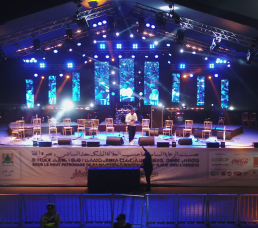
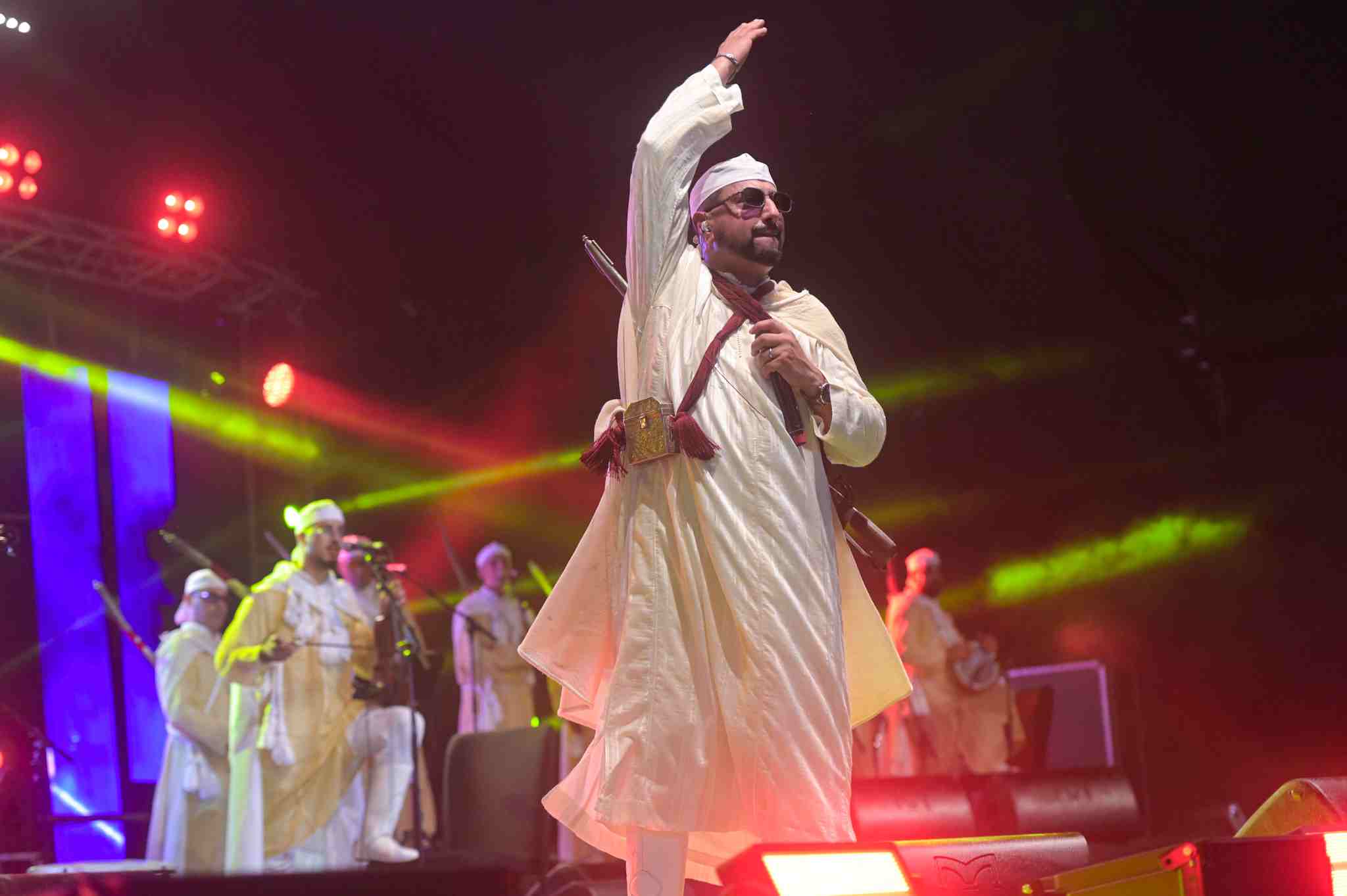
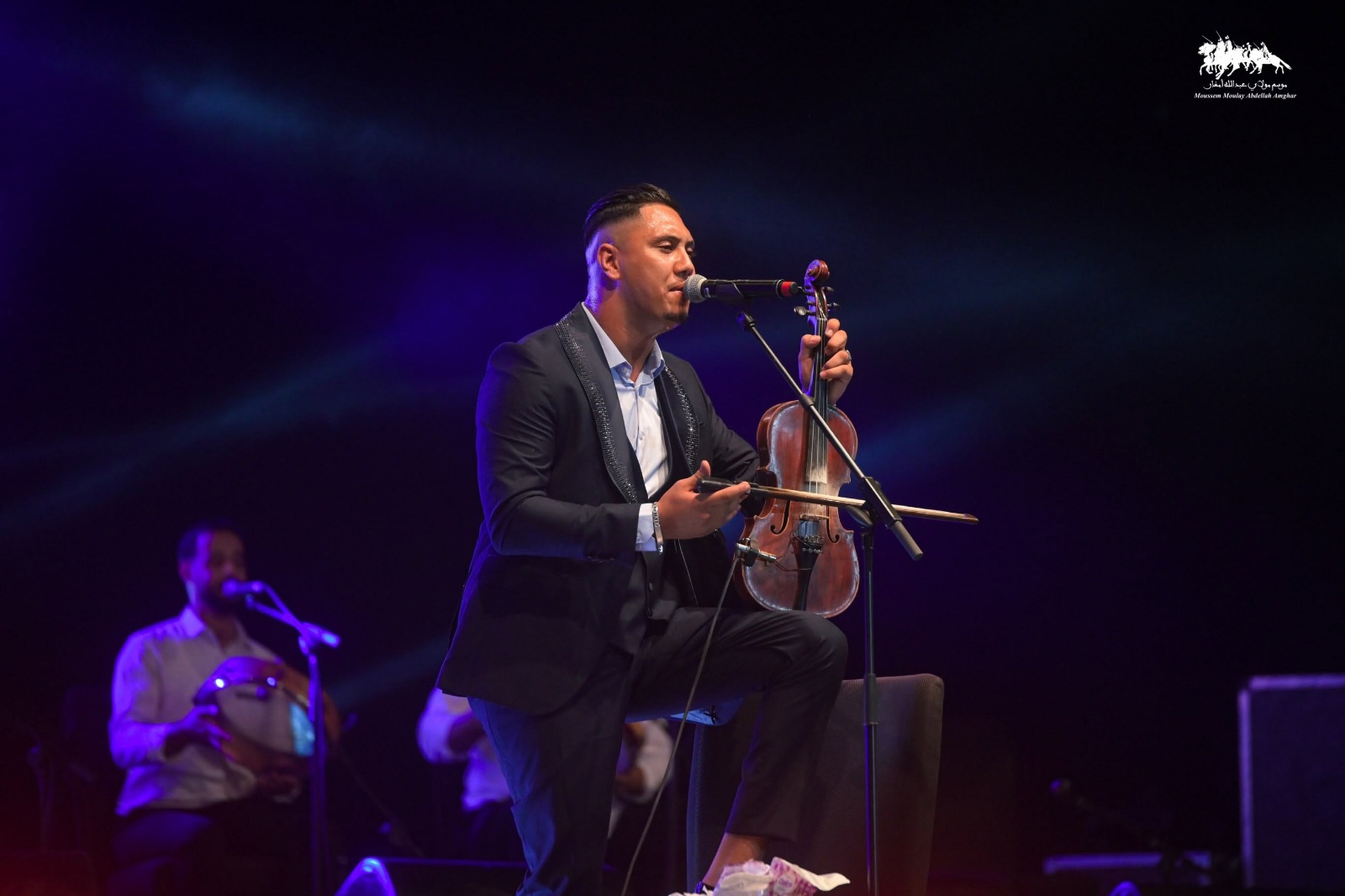
The cultural dimension also played a significant role in the event, featuring a series of artistic performances by Ibrahim El Jadidi, Safaa El Maâroufi, and Adel El Madkouri, which enriched the Moussem’s atmosphere and contributed to the diversity of its cultural offerings.
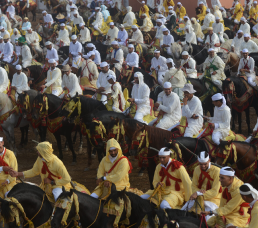
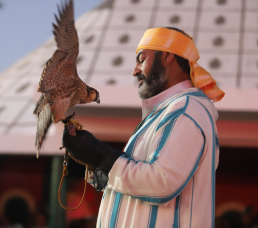
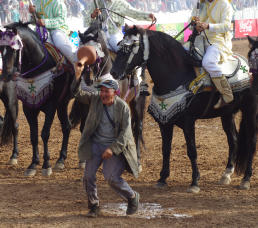
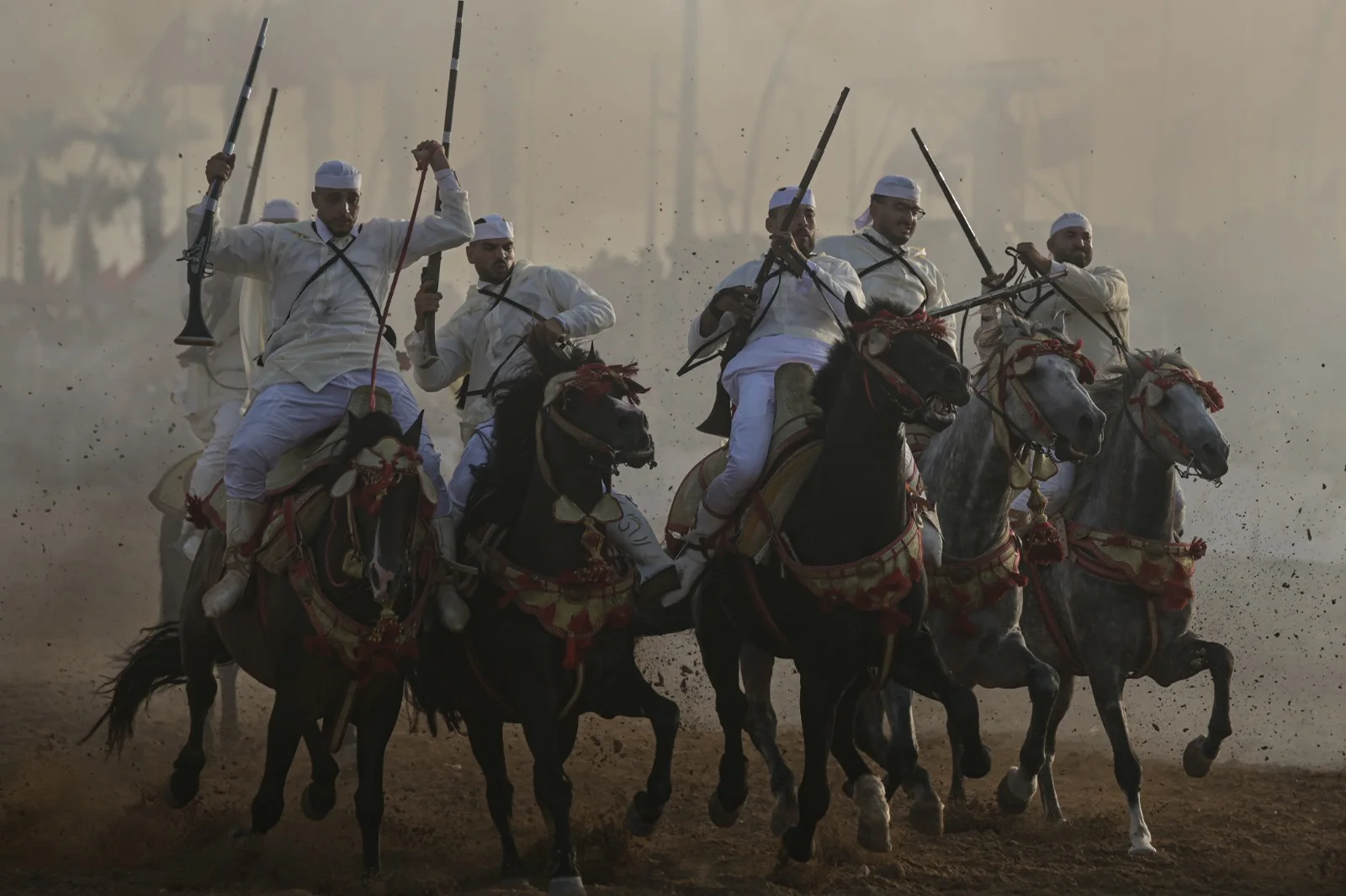
The program finally featured a highlight dedicated to equestrian displays and falconry, scheduled from 4:00 p.m. to 9:00 p.m. These demonstrations—among the most spectacular hallmarks of the Moussem—offered the public a chance to appreciate the riders' skill and the rich traditions of falconry, presented in a manner faithful to the event's cultural heritage.
Through this programming, the Moussem Moulay Abdellah Amghar fostered a dialogue between religious instruction, the transmission of knowledge, cultural activities, and the preservation of equestrian heritage. In doing so, it reinforced its spiritual, cultural, and popular dimensions, as well as its role in promoting traditions that form a vital part of Morocco's collective memory.
The day’s program began with a religious talk for women, held prior to the Al-Asr prayer and led by Ms. Hassania Addad, a member of the Scientific Council. This was followed by a scholarly session dedicated to the theme of "Prophetic health and its behavioral manifestations," featuring Dr. Abdeladim Moujib, a member of the Scientific Council, and Abdelssalam El Haddawi, an imam-advisor.
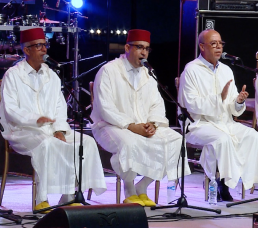
After the Al-Maghrib prayer, the audience was invited to a session focused on spiritual listening and madih (religious praise songs), exploring the role these practices play in purifying the soul and deepening spirituality.
 212 661-192597
 Moulay Abdellah Commune in El Jadida
 filat.distr@gmail.com
 moussemmoulayabdellah.com